
Introduction: Why Storage Fills Up So Quickly
Modern smartphones can do almost everything — shoot 4K videos, download high-resolution apps, and store endless messages and memes. But with all that capability comes one big issue: storage space disappears fast.
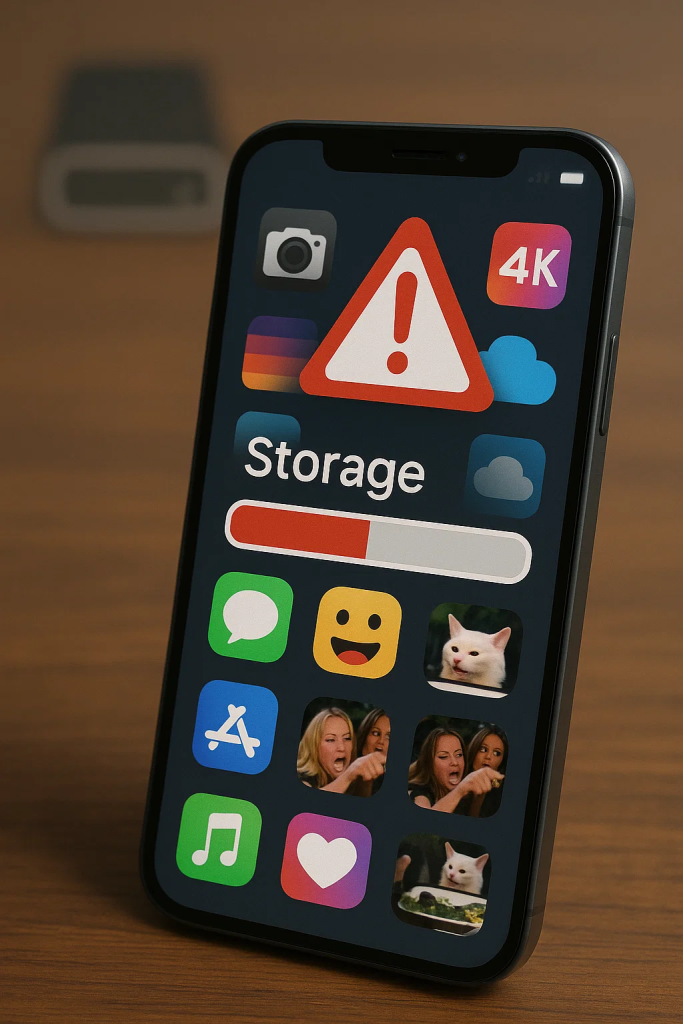
Even with 128GB or more, most users eventually see the dreaded “Storage Almost Full” notification. The good news? You don’t have to delete everything. With a few smart steps, you can free up phone storage fast without losing your important files or media.
In this guide, we’ll explore practical tips and tools — from cloud backups to cleaning apps.
1. Start by Checking What’s Taking Up Space
Before deleting anything, you need to know what’s actually filling your phone.
For Android:
- Go to Settings → Storage.
- You’ll see a breakdown by apps, photos, videos, and system files.
For iPhone:
- Go to Settings → General → iPhone Storage.
This helps you spot the real culprits — often videos, unused apps, and cached data.
2. Clear App Cache and Temporary Files
Apps like Chrome, Instagram, and TikTok store cache data to speed up performance, but over time, these temporary files pile up.
How to clear cache (Android):
- Go to Settings → Apps → [App Name] → Storage.
- Tap Clear Cache.
This won’t delete your account or saved content — it just removes redundant temporary files.
Clearing cache from a few heavy apps can instantly recover several hundred megabytes or more.
3. Delete or Move Large Videos
Videos consume the most space on any phone. Recordings, downloads, and social media clips can add up to gigabytes in no time.

Use a free storage analyzer (like Files by Google) to sort files by size and delete the biggest ones.
If you prefer to keep them, upload to Google Drive or Dropbox and then remove the local copies.
For social media videos, visit site to check the tool that lets you re-download clips later in smaller or optimized formats — perfect for archiving favorites without clogging your phone.
4. Offload or Uninstall Unused Apps
We all install apps we rarely use — games, photo editors, or old event tools that just sit there.
For Android:
- Go to Play Store → Manage Apps → Not Used Recently.
- Tap Uninstall on the ones you don’t need.
For iPhone:
- Go to Settings → General → iPhone Storage → Offload Unused Apps.
This feature keeps app data stored in the cloud while removing the app itself — saving space without losing progress or files.
5. Empty the Trash and Downloads Folder
Many users forget that deleted photos, videos, and files often sit in a Trash or Recently Deleted folder for up to 30 days.

Make sure to open and empty those folders manually to free space immediately.
Also, check your Downloads folder — old PDFs, APKs, and memes can quietly consume hundreds of megabytes.
6. Use Cloud Storage Strategically
If your local storage is constantly full, cloud storage is the most effective solution.
Best options:
- Google Drive / OneDrive: Automatic photo and file backup.
- Dropbox / iCloud: Real-time sync between phone and computer.
- Amazon Photos: Unlimited photo backup for Prime users.
Once your files are safely backed up, you can delete them from your phone without losing access.
7. Compress Media Files
High-quality videos and photos can be reduced in size without noticeable quality loss.
Use apps like:
- Video Compressor – to shrink videos before sharing.
- Photo Compress 2.0 – to resize large photos.
8. Clean Up Messaging Apps
Messaging platforms like WhatsApp, Telegram, and Messenger store huge caches of photos and voice notes.
WhatsApp Cleanup:
- Go to Settings → Storage and Data → Manage Storage.
- Delete large files or old chats in bulk.
Telegram Tip:
Enable Auto-Remove Cached Media under Storage Usage to automatically clear temporary files after a set period.
9. Move Files to External or PC Storage
If your device supports microSD cards, moving large files there is a simple fix.

Alternatively, connect your phone to a PC and transfer older videos or photos. It’s a quick, offline solution that works for both Android and iPhone.
10. Avoid “Cleaner” Apps with Heavy Ads
Many so-called phone cleaner apps promise miracles but often include ads, trackers, or even malware.
Instead, rely on trusted tools like Files by Google, built-in system cleanup, or verified services.
If you use online media tools like Twvideodownloader, make sure they’re browser-based and don’t require unnecessary permissions or installs.
Expert Advice from ZDNet
According to ZDNet, the fastest way to free up phone storage is a combination of cloud automation and selective deletion.
Their experts recommend enabling automatic backups for photos, clearing cache weekly, and avoiding large media downloads.
ZDNet also highlights that users often waste up to 30% of storage space on duplicate or cached content. They suggest pairing smart utilities like Twvideodownloader (for lightweight downloads) with cloud storage to keep devices running efficiently year-round.
Bonus: Prevent Storage Issues in the Future
- Set photos and videos to upload automatically to the cloud.
- Regularly review app storage usage in Settings.
- Avoid downloading videos in ultra-HD unless necessary.
- Use streaming instead of saving media locally.
By making these habits part of your routine, you’ll avoid running into full storage warnings again.
Conclusion
Freeing up storage doesn’t require deleting your memories — just managing them smarter.
Start by cleaning caches, moving videos to the cloud, and deleting unused apps.
With these steps, your phone will feel faster, cleaner, and ready for anything — without losing what matters most.